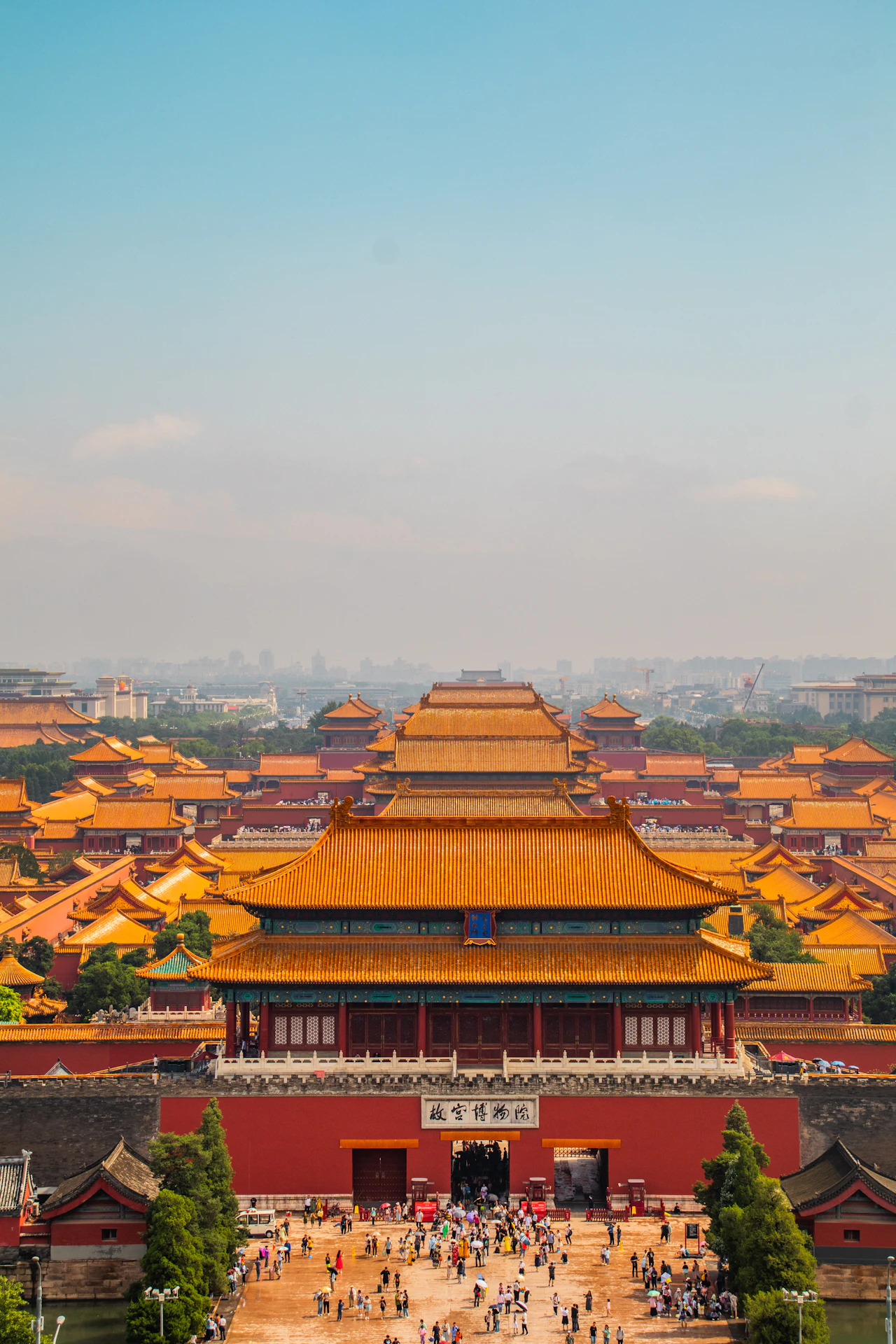
Beijing cityscape
Your ultimate Beijing guide

Beijing Museums and Cultural Highlights

From imperial collections to science halls and contemporary art districts, Beijing’s museum scene rewards both first-time visitors and return trips.

Scroll

Best museums and cultural sites in Beijing

A balanced mix of palace history, art, science, memorial spaces and heritage sites.

Beijing’s museum list is broad, so it helps to mix big-name landmarks with more focused stops. Start with one major collection, then add a lighter or more specialized visit nearby.

Forbidden City
Tourist Attraction

Forbidden City

The former imperial palace doubles as one of Beijing’s essential museum visits. Come for dynastic history, ceremonial architecture and galleries filled with court treasures.

Read more

Completed in the early 15th century, the Forbidden City is both a landmark and a serious museum stop. Its vast courtyards and palace halls give context to the art and artifacts displayed inside, so even a simple walk through feels richly layered. It suits first-time visitors who want one place that explains imperial Beijing at full scale. Allow plenty of time; the site is enormous and best enjoyed at an unhurried pace.

The city’s signature museum experience, with architecture and collections that place imperial history in one sweeping setting.

"Go early and wear comfortable shoes; this is a half-day visit for most travelers."

View details
China Science and Technology Museum
Museum

China Science and Technology Museum

4.3
(148 reviews)

A hands-on museum with interactive exhibits and several theaters. It’s an easy pick for families or anyone needing a break from formal palace galleries.

Read more

If your museum day needs a change of pace, this is the place to do it. The China Science and Technology Museum leans interactive, with themed displays designed to engage both children and adults, plus multiple theaters for longer sessions indoors. It’s especially useful on hot or cloudy afternoons when you want something lively rather than contemplative. Families, school-age kids and curious adults will get the most from it.

One of the best museum choices for families, with interactive displays that keep energy levels high.

"A smart rainy-day or afternoon option if younger travelers are fading on history-heavy sightseeing."

View details
National Art Museum of China
Art Museum

National Art Museum of China

4.4
(225 reviews)

A strong stop for anyone wanting a focused look at Chinese art across eras. The museum brings older works and more modern pieces into the same conversation.

Read more

Founded in 1958, the National Art Museum of China is a good counterpoint to Beijing’s history-first institutions. Instead of palaces and relics, the emphasis here is visual culture, with displays spanning older traditions and more recent Chinese art. Visit if you want a quieter museum experience that still feels substantial. It pairs especially well with central-city sightseeing, and it suits travelers who like spending time with paintings and curated exhibitions rather than huge outdoor grounds.

A rewarding art-focused stop when you want depth beyond palace interiors and ceremonial architecture.

"Best for travelers who enjoy galleries and a calmer, more concentrated museum visit."

View details
Summer Palace
Cultural Landmark

Summer Palace

This lakeside imperial retreat combines artworks, temples and landscaped grounds in one memorable outing. It’s more open-air and scenic than a conventional museum stop.

Read more

The Summer Palace works best when you want culture with breathing room. Its value lies in the combination of imperial architecture, decorative detail, artworks and broad waterside landscapes, making it feel less like a gallery crawl and more like a grand historical promenade. Choose it on a mild day when you have time to wander. It especially suits travelers who want context and beauty together, without spending the whole visit indoors.

Ideal when you want imperial history, art and scenery in a single, more spacious visit.

"Choose this for fair weather; it shines when you can linger outdoors."

View details
National Museum of China
Art Museum

National Museum of China

4.4
(547 reviews)

One of Beijing’s heavyweight institutions, covering Chinese history and art on an immense scale. It’s the place to go when you want breadth and depth in one visit.

Read more

The National Museum of China can easily anchor a full museum day. Its collections are expansive, spanning history and art with an enormous number of relics, so it rewards travelers who want a broad grounding rather than a niche subject. Because the museum is so large, it helps to arrive with a bit of focus and accept that you may not see everything. A strong choice for first visits, cloudy days and anyone who prefers major national institutions.

A cornerstone museum for understanding Chinese history and art through major national collections.

"Plan your visit around a few priority galleries; the scale can be overwhelming."

View details
The Palace Museum
Museum

The Palace Museum

This is the museum dimension of the imperial palace complex, with exhibitions and visitor facilities inside the historic setting. It’s essential for travelers drawn to court art and artifacts.

Read more

Listed separately from the Forbidden City, the Palace Museum highlights the site’s role as a museum rather than only a monumental landmark. Expect art displays, historic interiors and the sense of moving through a place where the architecture itself is part of the collection. This suits visitors who want more than a photo stop and are willing to slow down for exhibits. It’s a natural priority for anyone interested in imperial material culture.

Best for visitors who want the collections and interpretation, not just the palace’s grand exterior spaces.

"Treat this as a deep dive into the palace, not a quick landmark tick-off."

View details
Overseas Chinese History Museum
History Museum

Overseas Chinese History Museum

A more specialized history museum with a narrower focus than Beijing’s giant national institutions. It’s worth seeking out if you prefer smaller, subject-led visits.

Read more

For travelers who enjoy museums that concentrate on a specific story, the Overseas Chinese History Museum is a welcome change from Beijing’s blockbuster sites. The focus on overseas Chinese history gives the visit a clear theme and a more contained pace. That makes it especially appealing if you have already covered the major headline attractions and want something more targeted. It’s also easier to fit into a shorter day of neighborhood exploration.

A focused subject museum that adds variety after Beijing’s larger imperial and national collections.

"Good for repeat visitors looking for a more specific historical lens."

View details
Capital Museum
Art Museum

Capital Museum

4.3
(199 reviews)

A modern museum known for displays of statues, porcelain, paintings and cultural relics. It’s a strong all-rounder if you want substance without palace-scale crowds.

Read more

The Capital Museum is one of the city’s most approachable major museums. Its presentation is modern, while the collections lean toward classic strengths: sculpture, ceramics, painting and important relics. If you want a broad cultural overview in a less overwhelming format than some national institutions, this is an excellent choice. It works well for travelers with limited time who still want a serious museum visit, and for anyone interested in decorative arts.

A polished, manageable museum with strong core collections and fewer logistical demands than the biggest landmarks.

"A dependable pick when you want a proper museum afternoon without an all-day commitment."

View on map
Mausoleum of Mao Zedong
Tourist Attraction

Mausoleum of Mao Zedong

Part memorial site, part museum, this visit centers on modern political history. It’s best for travelers wanting a fuller picture of 20th-century China.

Read more

The Mausoleum of Mao Zedong carries a very different tone from Beijing’s art museums and palace compounds. Its importance is historical and symbolic, with exhibits tied to Mao Zedong and a memorial function that gives the visit a formal atmosphere. Choose it if you are interested in modern Chinese political history and want to balance imperial-era sightseeing with something more recent. It’s a short but meaningful stop when approached with the right expectations.

Adds essential modern political context to an itinerary otherwise dominated by imperial history.

"Expect a more solemn visit than at standard museums or palace complexes."

View details
Military Museum of the Chinese People's Revolution
Museum

Military Museum of the Chinese People's Revolution

4.3
(143 reviews)

This museum traces Chinese warfare through weapons, models, relics and art. It’s a practical pick for military history enthusiasts and older kids.

Read more

The Military Museum of the Chinese People's Revolution covers a long historical span, from earlier warfare to more modern material. Exhibits include weapons, scale models and related relics, giving the museum a concrete, object-driven feel that appeals to visitors who like technical or strategic history. It’s a good option when you want something more specialized than a national survey museum. Families with older children often find it easier to engage with than purely text-heavy institutions.

A strong specialist museum for military history, with displays that are more visual and object-led.

"Best if your group enjoys machinery, models and modern history."

View on map
Cultural Palace of Nationalities
Cultural Center

Cultural Palace of Nationalities

4.3
(73 reviews)

A cultural institution that broadens the usual palace-and-relics museum circuit. It’s a worthwhile stop for travelers interested in China’s cultural diversity.

Read more

The Cultural Palace of Nationalities brings a different perspective to a Beijing museum itinerary. Rather than centering only dynastic history or fine art, it points visitors toward wider cultural themes connected to nationalities and heritage. That makes it especially useful if you want your museum time to feel more varied. It’s not the city’s most famous stop, but it can be a thoughtful addition between larger headline attractions.

Helps diversify a museum day with cultural themes beyond court history and art canon.

"A good supporting stop if you’ve already covered Beijing’s major icons."

View details
Imperial Ancestral Temple
Historical Place

Imperial Ancestral Temple

4.4
(148 reviews)

A ceremonial temple complex tied to royal rituals, with three courtyards and historic halls. It suits visitors who enjoy quieter heritage sites with strong historical atmosphere.

Read more

The Imperial Ancestral Temple is a rewarding choice if you’re drawn to ritual spaces rather than large gallery buildings. Its historic courtyards and worship halls speak to the ceremonial side of imperial life, giving useful context to nearby palace visits. The experience is calmer and more architectural than object-heavy, which can be a relief after dense museum displays. It works especially well for travelers who like contemplative heritage sites.

A quieter imperial-era site that deepens understanding of court ceremony and sacred space.

"Pair with the palace area if you want a less crowded, more reflective follow-up."

View details
Beijing 798 Art Zone (North 3 Gate)
Cultural Center

Beijing 798 Art Zone (North 3 Gate)

More art district than traditional museum, 798 is where Beijing’s contemporary scene feels most visible. Visit when you want galleries, creative energy and a looser pace.

Read more

Beijing 798 Art Zone is a useful counterbalance to the city’s formal museums. Instead of one institution, you get a cultural district with galleries and a contemporary-art atmosphere that encourages wandering. It’s especially good after a morning spent in imperial or historical sites, when you’re ready for something current and less structured. Creative travelers, photographers and anyone curious about Beijing’s modern visual culture will likely enjoy it most.

The best shift in tone after classical sights, with contemporary art and room to browse freely.

"Works well as an afternoon stroll rather than a tightly scheduled museum stop."

View on map
颐和园游客中心
Top ratedVisitor Center

颐和园游客中心

4.8
(4 reviews)

The Summer Palace visitor center is mainly practical, but useful for orienting yourself before exploring the wider grounds. Treat it as a support stop rather than a destination in itself.

Read more

This visitor center serves the Summer Palace and is most helpful at the start of a larger visit. If you’re heading into the palace grounds, it can help you get your bearings and frame the day more efficiently. On a museum page it belongs as a useful adjunct rather than a headline attraction, but travelers planning a substantial Summer Palace outing may still appreciate the convenience. Best seen as part of the bigger site.

Helpful for planning a smoother Summer Palace visit, especially if the site feels overwhelming at first.

"Use it for orientation before committing to the palace’s large outdoor grounds."

View details
Zhengyangmen
Tourist Attraction

Zhengyangmen

4.3
(323 reviews)

A historic gatehouse from the early 15th century with museum elements inside. It’s a strong quick stop for architecture lovers near central sights.

Read more

Zhengyangmen stands out for its structure as much as its exhibits. Originally part of Beijing’s city wall, the gatehouse gives visitors a tangible link to the capital’s older urban form while also functioning as a museum stop. It’s a nice choice when you want something meaningful but more compact than the city’s giant institutions. The setting makes it especially appealing to travelers interested in old Beijing’s defensive and civic history.

A manageable heritage stop that combines city-wall history with a memorable building.

"Good to slot in around Qianmen or Tiananmen-area sightseeing."

View on map
National Library of China
Library

National Library of China

4.6
(72 reviews)

Not a museum, but a major cultural institution with an enormous collection of historic and modern publications. It appeals most to readers, researchers and architecture-minded travelers.

Read more

The National Library of China belongs on a culture itinerary for visitors who like institutions as much as attractions. Its significance comes from the scale of its holdings, which span millions of historic and contemporary documents. While it won’t replace a museum visit, it can be a satisfying stop for book lovers or anyone interested in the preservation of knowledge. It’s also useful as a quieter change of pace in a busy sightseeing schedule.

A thoughtful detour for readers and cultural travelers who enjoy institutions beyond standard museums.

"Best as a quiet, low-key cultural stop rather than a headline sightseeing event."

View on map
广化寺
Buddhist Temple

广化寺

4.6
(12 reviews)

An ancient Buddhist temple with deep historical roots and a more devotional atmosphere than most museums. Choose it when you want calm rather than crowd-heavy sightseeing.

Read more

Dating back to the Yuan period, 广化寺 offers a spiritual and historical pause from Beijing’s more formal museum circuit. The value here is atmosphere: old temple architecture, long continuity and a sense of quiet that many major sites lack. It’s best for travelers who enjoy religious heritage and don’t need a large curated exhibition to feel rewarded. A good fit for a slower day in the city center.

A peaceful heritage stop that balances Beijing’s busiest museums with a more contemplative mood.

"Best for a slower morning or as a breather between larger attractions."

View on map
Beijing Temple of Confucius
Scenic Spot

Beijing Temple of Confucius

A 14th-century temple complex with stately gates, pavilions and carved details. It rewards travelers who enjoy historic spaces shaped by learning and ritual.

Read more

The Beijing Temple of Confucius is a strong cultural stop for visitors interested in ideas as much as monuments. Its 14th-century grounds, architectural rhythm and carved features create a setting that feels scholarly and ceremonial at once. Unlike large state museums, it communicates through space and atmosphere. It’s particularly appealing if you enjoy temple compounds, classical architecture and quieter sites that carry intellectual as well as historical weight.

A refined heritage site that adds philosophical and educational history to your museum itinerary.

"A rewarding pick if you prefer calm courtyards to crowded indoor galleries."

View details
Jiade Artistic Center
Top ratedCultural Center

Jiade Artistic Center

4.8
(9 reviews)

A small cultural stop for travelers keeping an eye on Beijing’s current art scene. It works best as an add-on rather than a standalone destination.

Read more

Jiade Artistic Center is one of those places that makes sense for art-minded visitors already moving through central Beijing. It won’t replace the city’s major museums, but it can add a contemporary or market-facing perspective to a day dominated by heritage sites. Because it is more compact, the visit is easier to fit between larger stops. Think of it as a useful palate cleanser for travelers who like variety in their cultural itinerary.

Adds a smaller, more contemporary art note to a museum day heavy on grand historical institutions.

"Best used as a brief add-on near other central cultural stops."

View details
Beijing Planetarium
Planetarium

Beijing Planetarium

A classic family-friendly science outing centered on astronomy. It’s a smart choice when you want a museum day with a lighter, more imaginative angle.

Read more

The Beijing Planetarium is a good cultural pick for visitors who want something educational without the intensity of history-heavy museums. Its astronomy focus gives the day a playful, curiosity-driven mood, making it especially suitable for families and anyone traveling with children. Even adults often appreciate the change in subject after several palace or relic-based visits. It’s an easy way to keep a culture itinerary varied and engaging.

A family-friendly science stop that breaks up a run of art and history museums.

"Especially useful with kids or after several dense heritage visits."

View details
Wanshou Temple
Buddhist Temple

Wanshou Temple

4.4
(23 reviews)

A 16th-century temple complex that also houses jade displays through the Beijing Art Museum. It combines religious architecture with a focused museum layer.

Read more

Wanshou Temple is one of the more satisfying hybrid stops on this list. You get the calm of a historic temple complex along with museum displays, including jade, which add an object-based dimension to the visit. That blend makes it appealing to travelers who don’t want to choose between architecture and collection viewing. It’s a particularly good option for a quieter cultural afternoon in Haidian.

A well-balanced stop where temple atmosphere and museum displays genuinely complement each other.

"Great for travelers who like heritage sites but still want a defined exhibition element."

View on map
Prince Kung's Mansion Ticket Office
Visitor Center

Prince Kung's Mansion Ticket Office

4.1
(7 reviews)

The practical gateway to one of Beijing’s best-known aristocratic residences near Shichahai. A worthwhile heritage stop if you enjoy courtyard architecture and Qing-era atmosphere.

Read more

Near the lakes and hutongs, this entry point leads to Prince Kung’s Mansion, a classic addition to a culture-focused itinerary. It suits travelers interested in elite residential history, ornamental gardens and a more intimate complement to the city’s grand imperial sites.

A strong heritage add-on near Shichahai with architecture and courtly history.

"Easy to combine with a hutong stroll or lakeside wander afterward."

View on map
Temple of Azure Clouds
Top ratedBuddhist Temple

Temple of Azure Clouds

4.8
(18 reviews)

A serene Buddhist temple known for its many statues and landscaped setting. It’s better for atmosphere and beauty than for a conventional museum visit.

Read more

Temple of Azure Clouds is best approached as a cultural landscape rather than a classic museum. Its appeal lies in the temple’s age, the number of statues and the sense of retreat created by the grounds. If your itinerary has been heavy on indoor exhibits, this is a refreshing alternative. It suits travelers who value setting, quiet and devotional art in situ more than labels and display cases.

A peaceful alternative to gallery visits, with statues and scenery carrying the experience.

"Choose this when you want cultural depth without another indoor museum circuit."

View on map
China National Peking Opera Company
Opera House

China National Peking Opera Company

A good cultural add-on for travelers curious about one of China’s signature stage traditions. Best suited to visitors who want performing arts alongside museum visits.

Read more

If your museum day leans toward history and traditional arts, this is a natural next stop. The company is tied to Peking Opera, so it works well for travelers wanting cultural context beyond display cases, especially around older central neighborhoods.

Strong choice for traditional performing arts and a deeper cultural layer after museums.

"Pairs well with a day around Xicheng’s historic lanes and heritage sights."

View details
Huguang Guild Hall
Association Or Organization

Huguang Guild Hall

3.7
(9 reviews)

A small historic venue with museum interest and strong links to performance culture. It’s appealing if you like intimate heritage sites with character.

Read more

Huguang Guild Hall is the kind of place that rewards travelers who prefer atmosphere over scale. Rather than vast national collections, you get a smaller historic setting with cultural significance and a connection to Beijing’s theatrical traditions. It won’t take all day, but it can add texture to an itinerary focused on the city’s better-known giants. A good fit for repeat visitors or anyone who likes lesser-known heritage spaces.

An atmospheric smaller-scale heritage stop with ties to Beijing’s performance history.

"Good for travelers who enjoy characterful sites more than blockbuster museums."

View details
西直门天主堂
Top ratedChurch

西直门天主堂

4.7
(19 reviews)

A church rather than a museum, but still a meaningful cultural detour for architecture and religious heritage. Best for visitors interested in Beijing’s layered spiritual history.

Read more

西直门天主堂 broadens the page beyond museums by pointing to another strand of Beijing’s cultural fabric. Its value lies in religious heritage and architectural interest rather than exhibitions, making it a worthwhile optional stop for travelers who like to read cities through different faith traditions. It’s not essential for every visitor, but it can add welcome variety after imperial and state-focused sites.

Adds religious and architectural variety to a culture itinerary dominated by museums and palaces.

"A niche detour, best for travelers interested in sacred architecture."

View on map
Temple of Heaven Park Ticket Office
Visitor Center

Temple of Heaven Park Ticket Office

A practical stop tied to one of Beijing’s great ceremonial landscapes. Useful for routing, but not a standalone museum experience.

Read more

As with other ticket-office listings, this is mainly relevant if you are actively planning a Temple of Heaven visit. Its role on this page is logistical, helping connect museum-going with one of Beijing’s most important ritual sites. Travelers building a tightly organized day in the Tiananmen–Temple of Heaven area may find that useful. Otherwise, it’s best understood as support information rather than a destination.

Useful only as a planning aid for a broader Temple of Heaven visit.

"Keep this in mind for routing, not as a cultural stop in its own right."

View on map
Yuanmingyuan Park
Historical Place

Yuanmingyuan Park

4.4
(1.2k reviews)

This park’s ruined imperial remains make it one of Beijing’s most evocative historical landscapes. Go for open-air history rather than formal museum displays.

Read more

Yuanmingyuan Park, the Old Summer Palace site, is especially powerful for travelers who respond to history through place. Its gardens and ruins tell a story of imperial grandeur and destruction, and that emotional weight often lingers more than any labeled case could. It works best on a day with decent weather, when you can explore slowly and let the landscape do the interpretation. A memorable complement to Beijing’s intact palaces.

One of Beijing’s most affecting historic landscapes, with ruins that speak for themselves.

"Best in good weather and with enough time to walk, pause and absorb the site."

View details
China Puppet Theatre
Opera House

China Puppet Theatre

4.3
(6 reviews)

A family-friendly cultural stop centered on traditional puppet performances. It works especially well when you want something distinctly local that still keeps children engaged.

Read more

Not every culture stop in Beijing needs to be solemn. This theatre brings traditional puppet art into an accessible format, making it a smart pick for families, mixed-age groups or anyone wanting an evening plan after daytime sightseeing.

One of the easiest traditional arts experiences to enjoy with kids.

"A useful rainy-day or evening option after museums close."

View details
Zhoukoudian Peking Man Relic Site (East Gate)
National Park

Zhoukoudian Peking Man Relic Site (East Gate)

4.5
(4 reviews)

An important prehistoric site on the edge of the city, best suited to travelers with a serious interest in archaeology. It’s more excursion-like than a quick museum stop.

Read more

Zhoukoudian Peking Man Relic Site is one for dedicated history and archaeology enthusiasts. The draw is not urban convenience but significance: this is a major prehistoric site associated with early human remains. Because of its scale and setting, it works better as a planned outing than as an add-on between central museums. If you want your Beijing culture trip to reach far back beyond imperial history, it’s a compelling option.

A notable archaeology excursion for travelers who want prehistoric depth beyond the city’s imperial narrative.

"Plan separately from central sightseeing; this is better as a dedicated outing."

View on map
Long Corridor
Scenic Spot

Long Corridor

4.5
(94 reviews)

Built in 1750, this 728-m.-long passageway in the Summer Palace features 14,000+ paintings.

Read more

Built in 1750, this 728-m.-long passageway in the Summer Palace features 14,000+ paintings.

Built in 1750, this 728-m.-long passageway in the Summer Palace features 14,000+ paintings.

"Curator pick for travelers interested in scenic spot."

View details
Beijing Concert Hall
Top ratedAuditorium

Beijing Concert Hall

4.8
(4 reviews)

Auditorium

Read more

Auditorium Great for visitors exploring museums.

Auditorium

"Curator pick for travelers interested in auditorium."

View on map
Ming Dynasty Tombs
Historical Place

Ming Dynasty Tombs

4.3
(481 reviews)

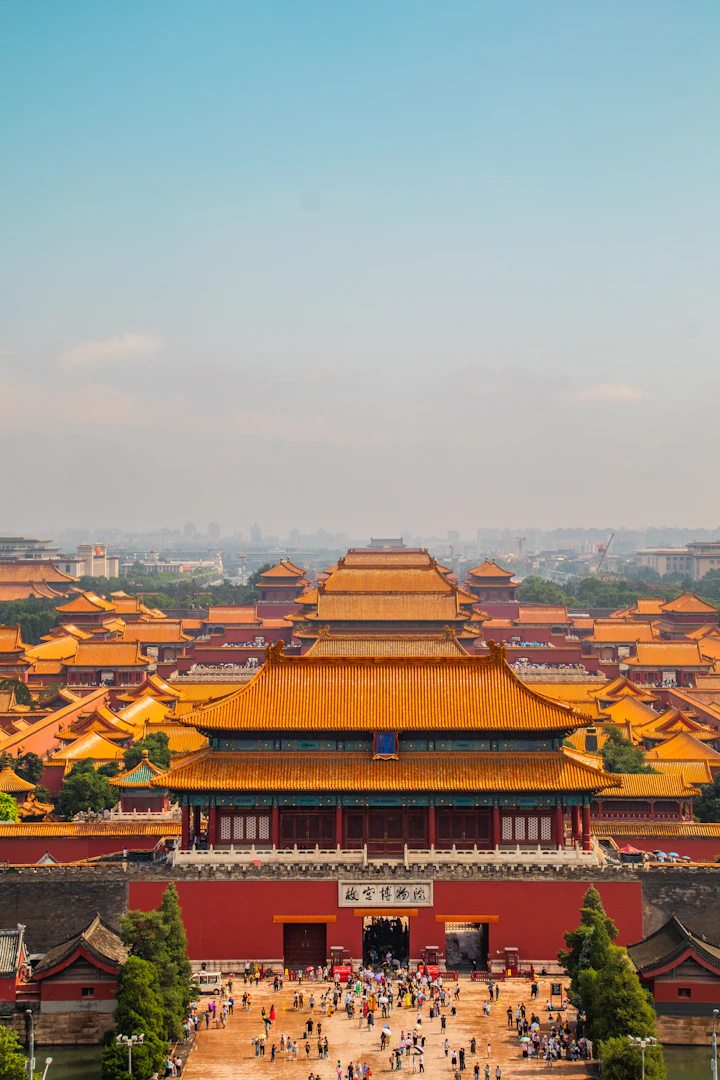
Immense, ancient complex including the tombs of 13 Ming Dynasty emperors plus pathways & statues.

Read more

Immense, ancient complex including the tombs of 13 Ming Dynasty emperors plus pathways & statues.

Immense, ancient complex including the tombs of 13 Ming Dynasty emperors plus pathways & statues.

"Curator pick for travelers interested in historical place."
View on map
Beijing Comedy Theatre
Auditorium

Beijing Comedy Theatre

Auditorium

Read more

Auditorium Great for visitors exploring museums.

Auditorium

"Curator pick for travelers interested in auditorium."

View on map
Beijing Parkview Green
Shopping Mall

Beijing Parkview Green

4.6
(217 reviews)

Upscale shops, art galleries & eateries, plus a 5-screen theater, in an eco-conscious building.

Read more

Upscale shops, art galleries & eateries, plus a 5-screen theater, in an eco-conscious building.

Upscale shops, art galleries & eateries, plus a 5-screen theater, in an eco-conscious building.

"Curator pick for travelers interested in shopping mall."

View details

Cultural Stops Beyond the Galleries

Historic compounds, performance venues, family outings and classic Beijing landmarks

Beijing’s museum days often spill into temple courtyards, old neighborhoods and performance halls. These picks add context, variety and easy nearby pairings when you want more than a single exhibition stop.

Beijing National Aquatics Center
Arena

Beijing National Aquatics Center

4.4
(1.1k reviews)

Contemporary cube-shaped building built for the Olympics, offering swimming pools & a water park.

Read more

Contemporary cube-shaped building built for the Olympics, offering swimming pools & a water park.

Contemporary cube-shaped building built for the Olympics, offering swimming pools & a water park.

"Curator pick for travelers interested in arena."

View details
Hutong Tour
Tour Agency

Hutong Tour

4.1
(35 reviews)

Tour agency

Read more

Tour agency Great for visitors exploring museums.

Tour agency

"Curator pick for travelers interested in tour agency."

View details
军都山滑雪场
Ski Resort

军都山滑雪场

4.5
(10 reviews)

Ski resort

Read more

Ski resort Great for visitors exploring museums.

Ski resort

"Curator pick for travelers interested in ski resort."

View details
Great Wall Tours of Hiking, Trekking, Camping: Great Wall Adventure Club
Tour Agency

Great Wall Tours of Hiking, Trekking, Camping: Great Wall Adventure Club

4
(20 reviews)

Tour agency

Read more

Tour agency Great for visitors exploring museums.

Tour agency

"Curator pick for travelers interested in tour agency."

View details
Beijing Aquarium Ticket Office
Visitor Center

Beijing Aquarium Ticket Office

Visitor center

Read more

Visitor center Great for visitors exploring museums.

Visitor center

"Curator pick for travelers interested in visitor center."

View details
Beijing Workers' Sports Complex
Stadium

Beijing Workers' Sports Complex

4.3
(331 reviews)

Well-known venue hosting football tournaments & other sports events, plus pop music performances.

Read more

Well-known venue hosting football tournaments & other sports events, plus pop music performances.

Well-known venue hosting football tournaments & other sports events, plus pop music performances.

"Curator pick for travelers interested in stadium."

View details
Blue Zoo Beijing
$$Aquarium
$$

Blue Zoo Beijing

$$
3.2
(43 reviews)

Aquarium

Read more

Aquarium Great for visitors exploring museums.

Aquarium

"Curator pick for travelers interested in aquarium."

View details
China National Peking Opera Company
Opera House

China National Peking Opera Company

A good cultural add-on for travelers curious about one of China’s signature stage traditions. Best suited to visitors who want performing arts alongside museum visits.

Read more

If your museum day leans toward history and traditional arts, this is a natural next stop. The company is tied to Peking Opera, so it works well for travelers wanting cultural context beyond display cases, especially around older central neighborhoods.

Strong choice for traditional performing arts and a deeper cultural layer after museums.

"Pairs well with a day around Xicheng’s historic lanes and heritage sights."

View details
Prince Kung's Mansion Ticket Office
Visitor Center

Prince Kung's Mansion Ticket Office

4.1
(7 reviews)

The practical gateway to one of Beijing’s best-known aristocratic residences near Shichahai. A worthwhile heritage stop if you enjoy courtyard architecture and Qing-era atmosphere.

Read more

Near the lakes and hutongs, this entry point leads to Prince Kung’s Mansion, a classic addition to a culture-focused itinerary. It suits travelers interested in elite residential history, ornamental gardens and a more intimate complement to the city’s grand imperial sites.

A strong heritage add-on near Shichahai with architecture and courtly history.

"Easy to combine with a hutong stroll or lakeside wander afterward."

View on map
China Puppet Theatre
Opera House

China Puppet Theatre

4.3
(6 reviews)

A family-friendly cultural stop centered on traditional puppet performances. It works especially well when you want something distinctly local that still keeps children engaged.

Read more

Not every culture stop in Beijing needs to be solemn. This theatre brings traditional puppet art into an accessible format, making it a smart pick for families, mixed-age groups or anyone wanting an evening plan after daytime sightseeing.

One of the easiest traditional arts experiences to enjoy with kids.

"A useful rainy-day or evening option after museums close."

View details
Beijing Temple of Confucius
$$Scenic Spot
$$

Beijing Temple of Confucius

$$
4.5
(404 reviews)

A serene historic complex with halls, gates and carved details that reward a slower visit. Ideal for travelers drawn to philosophy, ritual architecture and quieter heritage sites.

Read more

This 14th-century temple offers a more contemplative side of Beijing than the city’s busiest imperial landmarks. Come for the layered courtyards, pavilion architecture and scholarly atmosphere, especially if you want a cultural stop that feels reflective rather than overwhelming.

Excellent for history lovers seeking a quieter, more thoughtful heritage visit.

"Works beautifully in the Guozijian area with other old-city cultural stops nearby."

View details
昆玉河游船码头
Point Of Interest

昆玉河游船码头

A calmer waterside break when you need to step out of galleries and palaces. Useful for a slower afternoon with scenic breathing room.

Read more

This river pier is less about blockbuster sightseeing and more about changing pace. After a dense morning of collections or monuments, a boat outing here can reset the day with open views and a gentler rhythm.

Adds a scenic pause between heavier heritage stops.

"Best for travelers who like to balance indoor culture with a relaxed outdoor stretch."

View details
Marco Polo Bridge
Bridge

Marco Polo Bridge

4.1
(177 reviews)

A granite bridge first built in 1192 and rebuilt in 1698, famous for its rows of carved stone lions. It remains one of Beijing’s most storied historic crossings.

Read more

First built in 1192 and rebuilt in 1698, Marco Polo Bridge is best known for its weathered granite spans and the many stone lions lining its balustrades. The bridge carries a strong sense of age, with details that reward a slow walk and a close look. It’s a worthwhile detour for travelers interested in Beijing beyond the imperial core.

Historic architecture, atmospheric stonework, and the bridge’s iconic lion carvings make it memorable.

"Curator pick for travelers interested in bridge."

View details
Beijing West Station Railway Ticket Agency
Travel Agency

Beijing West Station Railway Ticket Agency

4.5
(2 reviews)

A railway ticket agency linked to Beijing West Station. Useful for practical travel arrangements rather than sightseeing.

Read more

This is a functional stop for handling rail travel logistics connected with Beijing West Station. It’s most relevant if you need assistance with ticketing or journey planning in the area. For a museums-focused itinerary, treat it as a service point, not a cultural attraction.

Useful only if you need station-related ticketing help.

"Best kept for transit days; not worth a special stop on a cultural itinerary."

View details
Bell Tower and Drum Tower Tourism
Travel Agency

Bell Tower and Drum Tower Tourism

4.2
(5 reviews)

Travel agency

Read more

This listing appears to be a travel agency rather than the Bell Tower and Drum Tower themselves. It may help with tour bookings or practical arrangements in the area, but it is not a cultural site in its own right. If you’re planning a visit nearby, make sure you’re heading to the historic towers, not just the office.

Helpful for tour logistics, but not a destination itself.

"Double-check the address before you go if your aim is to see the historic towers."

View on map

Museum Neighbors & Cultural Detours

Use these around Beijing’s major museum days to add views, gardens, temples, and historic landmarks.

Not every worthwhile cultural stop sits inside a gallery. These places pair well with Beijing’s headline museums, especially if you want a fuller sense of the city’s imperial and artistic layers.

Tiananmen Square
Plaza

Tiananmen Square

Historic, sprawling city square & cultural center, featuring a 37m-tall obelisk.

Read more

Tiananmen Square is one of Beijing’s defining civic spaces, immense in scale and deeply tied to the city’s modern history. At its center stands the 37-meter Monument to the People’s Heroes, which adds a strong visual focal point. Even if you’re headed to nearby museums and landmarks, the square is worth seeing for its sense of ceremony and sheer openness.

Essential for understanding Beijing’s monumental urban core and nearby museum district.

"Pair it with the National Museum of China for a stronger sense of place and history."

View on map
Temple of Azure Clouds
Buddhist Temple

Temple of Azure Clouds

A peaceful 14th-century Buddhist temple with hundreds of statues and beautifully kept grounds. It feels far removed from central Beijing’s pace.

Read more

The Temple of Azure Clouds offers a quieter, more contemplative side of Beijing, with roots in the 14th century and grounds that invite an unhurried visit. Its many statues and layered temple spaces reward close attention, while the landscaping adds to the sense of calm. Come here when you want history without the crowds of the better-known imperial sights.

A peaceful 14th-century Buddhist temple with hundreds of statues and beautifully kept grounds. It feels far removed from central Beijing’s pace.

"Curator pick for travelers interested in buddhist temple."

View on map
Jingshan Park
Park

Jingshan Park

A historic hilltop park with one of the best views over the Forbidden City. The climb is short, and the reward is substantial.

Read more

Jingshan Park is one of the smartest quick stops in central Beijing: a historic park rising above the old imperial city and offering a superb overlook of the Forbidden City. The elevated vantage point helps you grasp the scale and symmetry of Beijing’s historic core in a way ground-level visits cannot. It’s especially rewarding if you’re visiting nearby museums and palace sites.

One of the city’s best panoramic viewpoints, especially over the Forbidden City.

"Visit near clear weather for the best skyline views; mornings can feel especially calm."

View on map
Fayuan Temple
Buddhist Temple

Fayuan Temple

A longstanding Buddhist temple with relics, sculptural details, and traditional towers. It’s a quieter cultural stop than Beijing’s grand palace sites.

Read more

Fayuan Temple suits travelers who want history without the scale and crowds of the city’s biggest landmarks. The setting brings together historic objects, bronze lions, and classic temple architecture, including bell and drum towers. It works especially well as a reflective break after a dense museum visit, when you want somewhere calmer but still deeply rooted in Beijing’s past.

A more intimate heritage stop with religious art and architecture.

"Good for a slower afternoon when you want culture without another huge complex."

View on map
Marco Polo Bridge
Bridge

Marco Polo Bridge

A granite bridge first built in 1192 and rebuilt in 1698, famous for its rows of carved stone lions. It remains one of Beijing’s most storied historic crossings.

Read more

First built in 1192 and rebuilt in 1698, Marco Polo Bridge is best known for its weathered granite spans and the many stone lions lining its balustrades. The bridge carries a strong sense of age, with details that reward a slow walk and a close look. It’s a worthwhile detour for travelers interested in Beijing beyond the imperial core.

Historic architecture, atmospheric stonework, and the bridge’s iconic lion carvings make it memorable.

"Curator pick for travelers interested in bridge."

View details
Beihai Bridge
Scenic Spot

Beihai Bridge

A simple but scenic pause point near the water. It works well as a breather between heavier cultural sights.

Read more

Beihai Bridge is less about a long visit and more about giving shape to a cultural walk. The appeal is its setting: an easy scenic stop that fits naturally with nearby historic areas and park time. If you’re stitching together museums, palace sights, and gardens in central Beijing, this is the kind of quick detour that keeps the day from feeling all indoors and no atmosphere.

A useful scenic interlude on a culture-heavy itinerary.

"Keep expectations light; think viewpoint, not full attraction."

View on map
Forbidden City
Tourist Attraction

Forbidden City

The former imperial palace doubles as one of Beijing’s essential museum visits. Come for dynastic history, ceremonial architecture and galleries filled with court treasures.

Read more

Completed in the early 15th century, the Forbidden City is both a landmark and a serious museum stop. Its vast courtyards and palace halls give context to the art and artifacts displayed inside, so even a simple walk through feels richly layered. It suits first-time visitors who want one place that explains imperial Beijing at full scale. Allow plenty of time; the site is enormous and best enjoyed at an unhurried pace.

The city’s signature museum experience, with architecture and collections that place imperial history in one sweeping setting.

"Go early and wear comfortable shoes; this is a half-day visit for most travelers."

View details
Long Corridor
Scenic Spot

Long Corridor

Built in 1750, this 728-m.-long passageway in the Summer Palace features 14,000+ paintings.

Read more

Built in 1750, the Long Corridor is one of the Summer Palace’s most delightful details: a 728-meter covered walkway richly decorated with more than 14,000 paintings. It’s both practical and beautiful, framing garden views while rewarding anyone who looks up and lingers. Even within a vast palace complex, this is a highlight that feels intimate and endlessly photogenic.

Built in 1750, this 728-m.-long passageway in the Summer Palace features 14,000+ paintings.

"Don’t rush through; the painted panels are the main reason to slow your pace."

View details
Summer Palace
Cultural Landmark

Summer Palace

This lakeside imperial retreat combines artworks, temples and landscaped grounds in one memorable outing. It’s more open-air and scenic than a conventional museum stop.

Read more

The Summer Palace works best when you want culture with breathing room. Its value lies in the combination of imperial architecture, decorative detail, artworks and broad waterside landscapes, making it feel less like a gallery crawl and more like a grand historical promenade. Choose it on a mild day when you have time to wander. It especially suits travelers who want context and beauty together, without spending the whole visit indoors.

Ideal when you want imperial history, art and scenery in a single, more spacious visit.

"Choose this for fair weather; it shines when you can linger outdoors."

View details
Beijing Temple of Confucius
Scenic Spot

Beijing Temple of Confucius

A 14th-century temple complex with stately gates, pavilions and carved details. It rewards travelers who enjoy historic spaces shaped by learning and ritual.

Read more

The Beijing Temple of Confucius is a strong cultural stop for visitors interested in ideas as much as monuments. Its 14th-century grounds, architectural rhythm and carved features create a setting that feels scholarly and ceremonial at once. Unlike large state museums, it communicates through space and atmosphere. It’s particularly appealing if you enjoy temple compounds, classical architecture and quieter sites that carry intellectual as well as historical weight.

A refined heritage site that adds philosophical and educational history to your museum itinerary.

"A rewarding pick if you prefer calm courtyards to crowded indoor galleries."

View details
牡丹园
Garden

牡丹园

Garden

Read more

牡丹园 appears to be a straightforward garden stop, useful if you’re nearby and want fresh air or a quiet pause between busier sights. It’s not one of Beijing’s headline cultural destinations, but it may appeal to travelers who enjoy local parks and less-touristed corners of the city. Think of it as a modest breather rather than a must-see.

Good for a quiet pause nearby, not for a destination visit.

"Worth considering only if you’re already in the area and want a short green escape."

View on map
The Palace Museum
Museum

The Palace Museum

This is the museum dimension of the imperial palace complex, with exhibitions and visitor facilities inside the historic setting. It’s essential for travelers drawn to court art and artifacts.

Read more

Listed separately from the Forbidden City, the Palace Museum highlights the site’s role as a museum rather than only a monumental landmark. Expect art displays, historic interiors and the sense of moving through a place where the architecture itself is part of the collection. This suits visitors who want more than a photo stop and are willing to slow down for exhibits. It’s a natural priority for anyone interested in imperial material culture.

Best for visitors who want the collections and interpretation, not just the palace’s grand exterior spaces.

"Treat this as a deep dive into the palace, not a quick landmark tick-off."

View details
National Museum of China
Art Museum

National Museum of China

Free, massive (2.2 million-sq.-ft.) museum of Chinese history & art with more than 1 million relics.

Read more

The National Museum of China is enormous in both scale and scope, spanning 2.2 million square feet and holding more than 1 million relics. Collections trace Chinese history and artistic achievement across centuries, making it a rewarding anchor for any first visit to Beijing. Given its size, it’s wise to arrive with a rough plan and focus on a few sections rather than trying to see everything.

One of Beijing’s core museums for breadth, significance, and sheer scale.

"Pick a few galleries in advance; the museum is too large to cover well in one sweep."

View details
798 Art District
Cultural Landmark

798 Art District

A former industrial area turned cultural quarter with galleries and creative energy. Come here when you want contemporary art after imperial history.

Read more

If your museum day has been all dynasties and palace halls, 798 Art District gives the city’s modern creative side equal weight. The draw is the setting as much as the art: industrial architecture, gallery spaces, and a district designed for wandering between exhibitions. It’s best for travelers who like contemporary culture and don’t mind exploring at their own pace rather than following a fixed museum route.

A smart contrast to Beijing’s historic collections and monuments.

"Best paired with a flexible afternoon; wear comfortable shoes and leave time to wander."

View on map
北京德云社剧场
Opera House

北京德云社剧场

Opera house

Read more

北京德云社剧场 is a performance venue rather than a museum, making it a useful addition for travelers who want to balance daytime sightseeing with live culture at night. If you’re interested in Beijing’s performing arts scene, it can add energy and local flavor to your itinerary. Check the program in advance to see whether the performance style suits your interests.

Adds a live-performance dimension to a culture-focused Beijing itinerary.

"Look up the schedule before heading over; the experience depends heavily on what’s on stage."

View details
Beihai Park
Park

Beihai Park

An imperial-era park with a large lake and plenty of breathing room. It’s ideal after a museum morning in the dense historic center.

Read more

Beihai Park is one of the best ways to balance a culture-focused day with fresh air. The former imperial grounds feel generous and unhurried, with the lake giving the whole visit a softer rhythm than the city’s palace and museum interiors. Because it opens late, it also works nicely toward the end of the day, especially if you want a calmer finish after the National Museum or Palace Museum area.

A restorative outdoor counterpoint to Beijing’s major museums.

"Especially good late in the day when museum fatigue sets in."

View on map
北京鼓楼和钟楼
Tourist Attraction

北京鼓楼和钟楼

This reconstructed red tower preserves a classic Beijing skyline view and historic atmosphere. Performances with replica Ming drums add extra texture.

Read more

The Drum and Bell Towers bring together architecture, city views, and a bit of performance culture in one stop. They’re a good pick when you want something more animated than a museum gallery but still firmly tied to Beijing’s past. The upper views help orient you in the old city, and the drum performances make it easier for families or mixed-interest groups to stay engaged.

History with a livelier pace than a standard museum visit.

"A strong option for families or anyone wanting views with their history."

View on map
Mojie Reptiles Theme Park
Amusement Center

Mojie Reptiles Theme Park

A family-friendly amusement stop with an animal focus rather than a traditional museum format. Best for travelers with children who need a change of pace.

Read more

Mojie Reptiles Theme Park is the outlier on a culture page, but it earns its place for families trying to keep younger travelers engaged between Beijing’s more formal heritage sites. It leans playful and outdoor rather than scholarly, making it a practical reset after palaces, temples, or long gallery visits. If your group mixes adults who want history with kids who need something more immediate, this can help balance the trip.

Useful for families mixing cultural sightseeing with kid-friendly stops.

"Choose this as a reset day, not as a substitute for Beijing’s major museums."

View on map